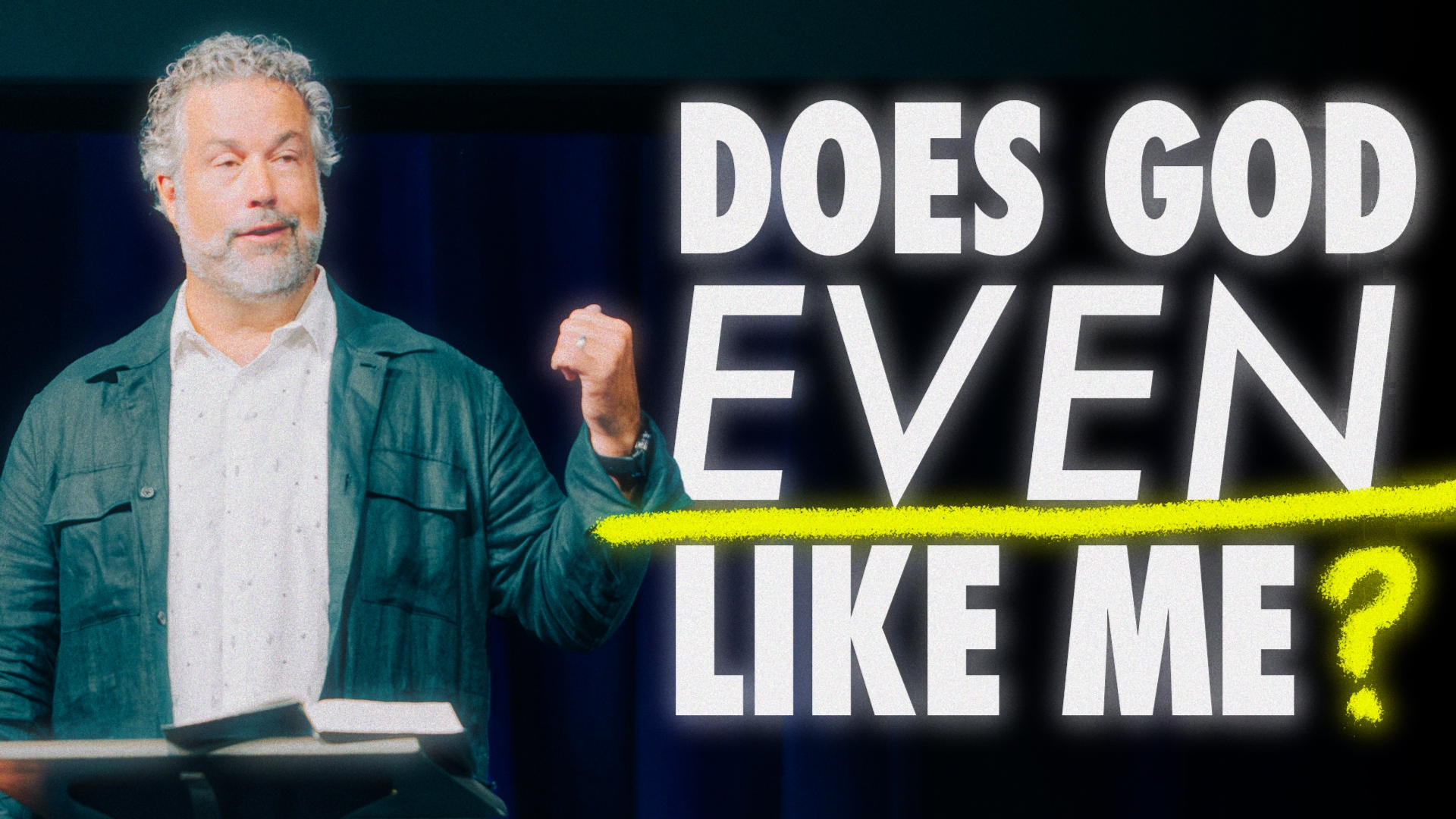
Waiting in the Depths: Psalm 130 and the Invitation to Hope
Most of us do not like waiting. We live in a culture built around speed, convenience, instant answers, and immediate results. Waiting often feels like inactivity, frustration, or even failure. We want to fix the problem, move the story forward, get the answer, and get out of the discomfort as quickly as possible.
Psalm 130 invites us into something very different. It gives us a picture of waiting that is not passive, empty, or hopeless. It shows us what it means to wait on the Lord from the depths, to cry out for mercy, and to hope in God’s steadfast love and plentiful redemption.
The invitation of Psalm 130 is simple but difficult: wait for the Lord.
Crying Out From the Depths
The psalm begins with these words: “Out of the depths I cry to you, O Lord.” The phrase “the depths” carries the imagery of watery depths. This is the language of drowning. The psalmist is not describing a mild inconvenience or a passing frustration. He is describing the feeling of being overwhelmed, of having no solid ground beneath his feet, of sinking under the weight of sin, sorrow, and need.
This is the place where many real prayers begin. Not in polished language or religious confidence, but in desperation. The psalmist cries, “O Lord, hear my voice. Let your ears be attentive to the voice of my pleas for mercy.” This is not a casual prayer. This is a soul reaching toward God because there is nowhere else to turn.
Psalm 130 gives us permission to pray from that place. It teaches us that we do not have to pretend we are fine before God. We can bring Him the depths. We can bring Him the fear, the regret, the collapse, the confusion, and the consequences of sin. We can cry out honestly because God is not distant from those who call on Him for mercy.
If God Kept a Record
The psalmist then asks one of the most important questions in Scripture: “If you, O Lord, should mark iniquities, O Lord, who could stand?” If God kept a full record of our sins and held them against us apart from mercy, none of us could stand. Every one of us would sink. Every one of us would be exposed. Every one of us would be undone.
This is not just a statement about “bad people.” It is a statement about all of us. We all have sin that runs deeper than we want to admit. We all have thoughts, motives, words, actions, omissions, and patterns that would leave us without hope if God marked them against us.
But Psalm 130 does not stop with guilt. It moves immediately to grace: “But with you there is forgiveness, that you may be feared.” This is the turn. The psalmist does not minimize sin, but he also does not believe sin gets the final word. With the Lord there is forgiveness.
That is the ground of hope. God’s forgiveness is not shallow. It is not reluctant. It is not fragile. Forgiveness belongs to Him. Mercy is part of His character. Because of that, we come to Him with reverence, not terror; with awe, not despair.
Waiting Is Inactive Action
The central movement of the psalm comes in verses 5 and 6: “I wait for the Lord, my soul waits, and in his word I hope.” Waiting here is not doing nothing. It is not spiritual laziness. It is a kind of inactive action. It is active trust when there is no visible solution yet.
The psalmist waits, but he waits with hope. He waits “more than watchmen for the morning.” Watchmen know the morning will come. Their waiting is not wishful thinking. It is certain expectation. They may not be able to speed up the sunrise, but they know dawn is coming.
That is the kind of waiting Psalm 130 invites us into. We cannot control God. We cannot force His timing. We cannot manipulate redemption into arriving on our schedule. But we can watch. We can hope. We can stay awake. We can hold to His word while we wait.This is hard because most of us would rather do something that makes us feel in control. We would rather fix, distract, numb, manage, plan, or perform. Psalm 130 calls us to something deeper: to look to God and wait for Him to act.
Prayer Like Watching Fog in a Canyon
One powerful image from this message is that prayer can feel like sitting on the rim of a canyon, watching fog move through the valley. You cannot control the fog. You cannot move it with your hands. You cannot force the sun to burn it away faster. You can only sit, watch, and acknowledge the truth: “This is the state of things, Lord. I cannot fix it, but Your sun is rising.”
That is often what prayer is like. It is not always dramatic. It is not always immediately satisfying. Sometimes prayer is simply sitting before God with reality in view. It is naming the fog of sin, grief, confusion, or the brokenness of the world, and waiting for God to do what only He can do.
The Psalms are not meant merely to be analyzed. They are meant to be prayed, breathed, practiced, and owned. Psalm 130 cannot remain only head knowledge. It has to make the journey from the mind to the heart. We learn this psalm by entering it, by praying it in our own depths, and by letting it shape our waiting.
When We Are Felled
There are moments in life when we feel felled, like a great tree crashing through the forest. These moments may come through our own sin: an affair exposed, a lie uncovered, a hidden addiction revealed, a financial deceit brought into the light, or an explosion of anger that leaves wreckage behind.
Other times, we are felled by the sins of others or by the state of the world. Corruption, injustice, abuse, institutional failure, racism, violence, dishonesty, and betrayal can leave us feeling like we are the ones falling even when we did not swing the axe. Psalm 130 gives language for those moments. It does not rush us past the depths. It does not pretend the fall is small. It teaches us to cry out, to confess, to hope, and to wait.
Jesus Waited Perfectly
The deepest fulfillment of this psalm is found in Jesus. After His baptism, Jesus was led by the Spirit into the wilderness for forty days. He waited. He fasted. He prayed. He sat in the desert and did not grasp for control.
Israel failed in the wilderness. While Moses was on the mountain for forty days, the people grew tired of waiting and made a golden calf. They said, in effect, “We hate waiting. Give us something we can manage, something we can see, something we can control.”
Jesus entered the wilderness and did what Israel failed to do. He waited on God. When tempted to turn stones into bread, He answered with Scripture. He did not seize control. He did not create His own shortcut. He waited, one day at a time.
Jesus waited perfectly for us. He trusted the Father fully. He had no other gods before Him. He is the faithful One who redeems the waiting, failing, anxious people who so often reach for idols instead of God.
The Idols We Choose Instead of Waiting
When we refuse to wait on the Lord, we often create our own versions of the golden calf. They may not look like statues, but they function the same way. We turn to anxiety instead of trust. We turn to control instead of dependence. We turn to alcohol instead of lament, pornography instead of intimacy, money instead of security in God, political power instead of hope in God, reputation management instead of repentance, busyness instead of prayer, and distraction instead of pilgrimage.
Psalm 130 calls us away from these false saviors. It invites us to wait for the Lord because with Him there is steadfast love, and with Him is plentiful redemption.
The Hope of Plentiful Redemption
The psalm ends by turning outward: “O Israel, hope in the Lord.” The psalmist’s private prayer becomes public exhortation. He has cried from the depths, testified to his waiting, and now calls the people of God to hope. Why should we hope? Because with the Lord there is steadfast love. His covenant love does not break. His mercy does not run dry. His faithfulness is not fragile. With Him there is plentiful redemption. Not scarce redemption. Not reluctant redemption. Plentiful redemption. And He will redeem His people from all their iniquities.
That is the final hope of Psalm 130. We wait because God will redeem. We wait because Jesus has come. We wait because forgiveness is real. We wait because dawn is coming.